

Four main themes
strategic
Through four main themes, IMN contributes to the emergence of innovative solutions to major scientific, technological and environmental challenges, in the service of a sustainable and responsible materials science.
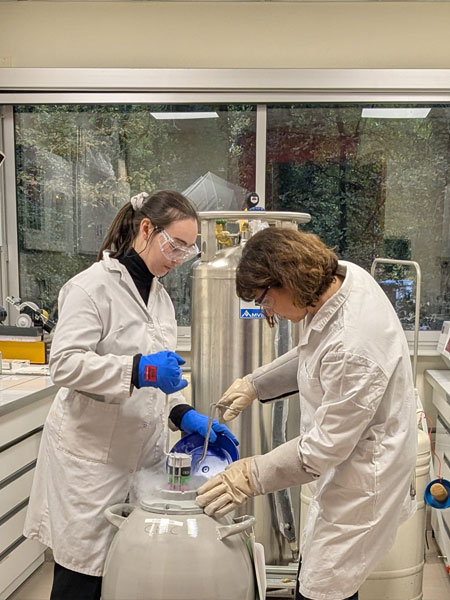
IMN skills
The institute conducts fundamental and applied research combining design, multi-scale characterization, study of multiphysical properties of materials and their modeling.
These complementary skills enable us to approach materials in all their complexity, from the atomic level to functional devices.
1. Materials design, synthesis and shaping
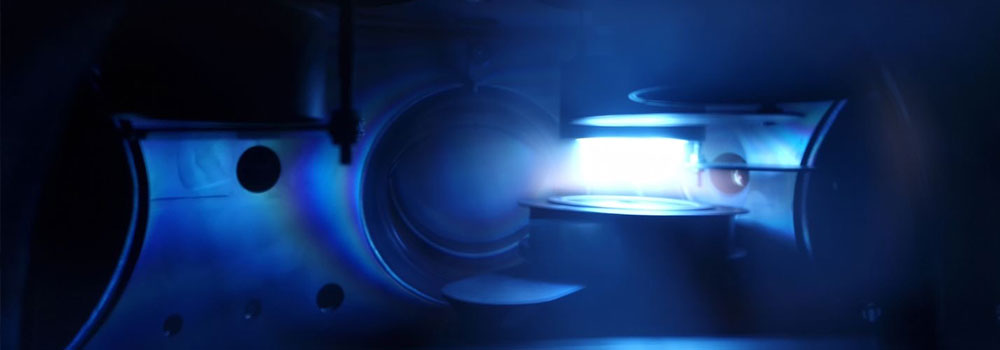
- Synthesis of inorganic, organic and organic-inorganic hybrid materials (powders, single crystals, thin films)
- Synthesis and assembly of nanoobjects, nanostructures, nanoporous materials
- Material shaping
- Cold plasma processes for thin film deposition, nanocomposites and etching
- Metal forming processes (additive manufacturing, welding)
2. Material characterization
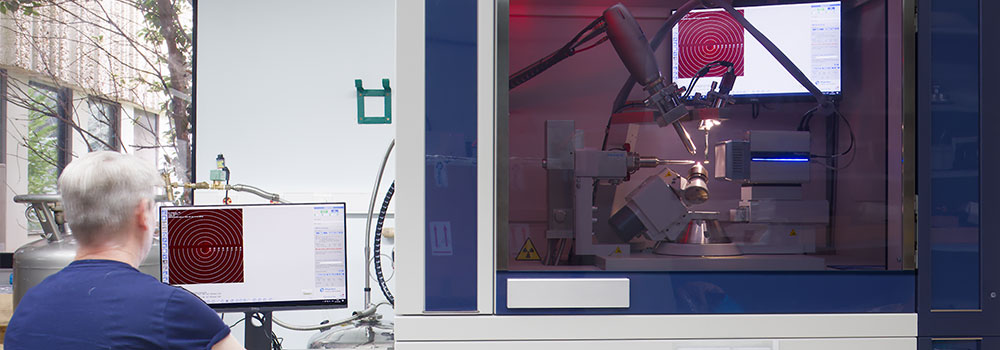
Structural characterization
- Structural and physico-chemical characterization of materials, nanomaterials, thin films, surfaces and interfaces
- X-ray diffraction on single crystals, powders and thin films
- Scanning electron microscopy in imaging mode and quantification by XRF, EDS and WDS,
- Transmission electron microscopy: electron diffraction, high-resolution imaging, energy loss spectroscopy, HAADF S TEM mapping
- TEM under stimuli (temperature, polarization), in the presence of liquids
- Spectroscopy: XPS/UPS, NMR, XAS
- XPS under illumination, under polarization
- Optical and vibrational spectroscopies: UV-vis absorption, photoluminescence, Raman scattering, IR absorption, spectroscopic ellipsometry
- Atomic force microscopy (AFM) and other near-field microscopies
- Characterization of colloidal solutions (zeta potential, DLS)
- In situ and operando mode characterization
- Synchrotron and diffraction under stimulus (electric field)
- Cold plasma diagnostics: optical emission spectrometry, mass spectrometry, electrostatic probes,
- Characterization of surfaces and thin films, process monitoring over time: in situ spectroscopic ellipsometry
Functional characterization
- Electrochemical measurements and impedance spectroscopy
- Electrical transport and magneto-transport measurements, current-voltage characteristics under illumination
- Mechanical and thermomechanical characterization of materials
- Thermal characterization of materials
- Magnetic characterization
3. Multi-scale modeling and simulation
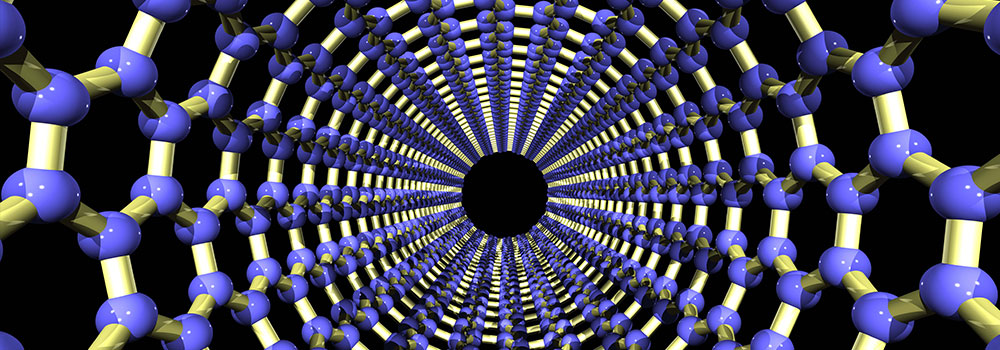
- Atomic modeling and simulation of physical properties
- Calculation of electronic structure of solids (DFT…)
- Multi-scale modelling of cold plasma processes, development of process simulators
- Thermodynamic modeling: predictive (CALPHAD), guaranteed calculation, software development (CALIPH)
- Artificial intelligence (machine learning, data mining, multi-objective optimization, crystal structure prediction, generative AI)