

Recycling ceramic materials from batteries and electrolyzers
Recycling and recovering the materials contained in the core of electrolytic cells
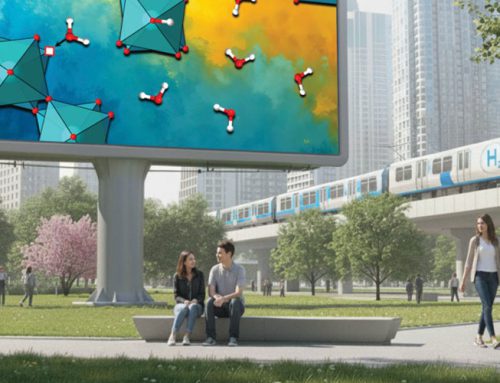
With the expected large-scale economic development of SOFC fuel cells or SOEC electrolyzers, it is essential to start looking at end-of-life systems or production rejects now.
For example, it is estimated that the SOEC electrolyzer core (which represents 30% of the total cost) will have to be changed between three and four times over the life of a system (25 years). For a 1 MW system, 500 kg of waste will be generated at each changeover.
This poses the following problems: recycling the materials contained in the electrolyzer core and recovering this waste.
The recycling of ceramic materials from used batteries or electrolyzers is the most recent branch of the Hydrogen theme research activities developed within our laboratory. It began in 2019 thanks to support from the CNRS as part of MITI thesis funding in support of societal issues.
During his thesis, Gudaysew Tsegaye Yenesew developed a method for separating the most abundant valuable elements from commercial cells, notably nickel and yttrium-stabilized zirconia (YSZ), with a very high yield. A life-cycle analysis has also been drafted, demonstrating the interest of this method from an environmental point of view.
The remainder of the thesis was carried out as part of the European “NOUVEAU” project (novel electrode coatings and interconnects for sustainable and safe SOEC) with Valentin Brard’s thesis (defended in September 2025), during which the recycling method was improved, this time enabling all the valuable constituents to be separated and recovered with very high yields. It was also shown that it was possible to reuse these recycled materials to build solid oxide cells once again.
The originality of the results obtained over the last six years is successfully reflected in a new collaboration launched in December 2025 with the company Genvia . As part of Ana Teresa Sucgang’s Cifre thesis, we are taking on new challenges by tackling the stack of cells crimped by glass joints, developed by Genvia.
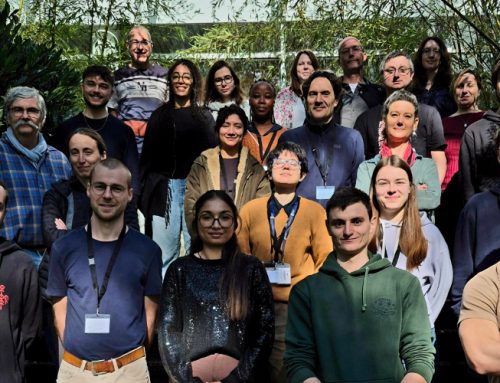
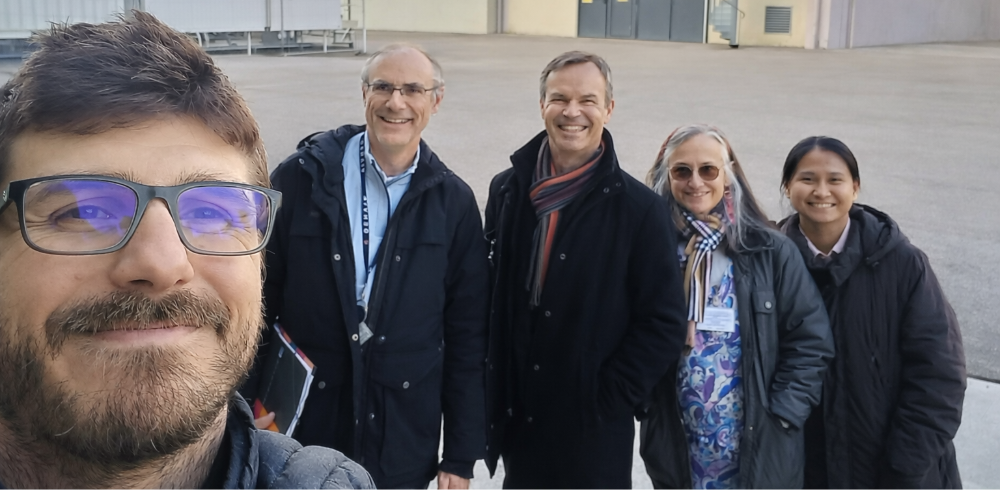
Gudaysew Tsegaye Yenesew, Valentin Brard and Ana Teresa Sucgang, the three PhD students who worked on the project, were supervised by Rossen Tchakalov and Patrice Tochon from Genvia, and Annie Le Gal La Salle and Olivier Joubert from IMN.
Share this article
Other articles